What is Remote Device Support?
Remote device support refers to the ability of IT teams to access, manage, and troubleshoot devices remotely, without the need for physical presence. This technology has become increasingly important in today’s digital age, where employees and customers are scattered across different locations and time zones. With remote device support, IT teams can provide timely assistance, reduce downtime, and improve overall productivity.
Main Benefits of Remote Device Support
Some of the main benefits of remote device support include:
- Increased efficiency: Remote device support allows IT teams to resolve issues quickly, reducing the time and effort spent on resolving issues.
- Improved customer satisfaction: With remote device support, IT teams can provide timely assistance, resulting in higher customer satisfaction and loyalty.
- Reduced costs: Remote device support eliminates the need for on-site visits, reducing travel costs and improving resource allocation.
Key Features of Remote Device Support Software
Core Functionality
Remote device support software typically includes the following core features:
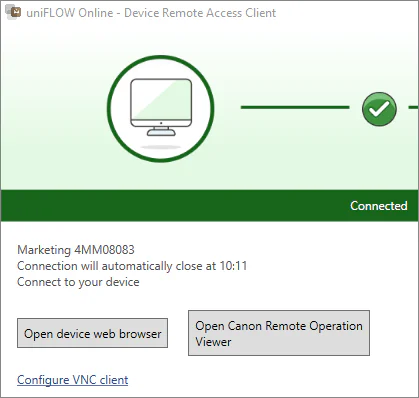
- Remote access: The ability to access and control devices remotely.
- Real-time monitoring: The ability to monitor device performance and detect issues in real-time.
- Automated scripts: The ability to run automated scripts to resolve common issues.
Advanced Features
Some remote device support software may also include advanced features such as:
- Artificial intelligence: The ability to use AI to detect and resolve issues.
- Integration with other tools: The ability to integrate with other IT tools, such as helpdesk software.
- Customization: The ability to customize the software to meet specific business needs.
Installation Guide
Step 1: Download and Install the Software
Download the remote device support software from the vendor’s website and follow the installation instructions.
Step 2: Configure the Software
Configure the software to meet your business needs, including setting up user accounts and defining permissions.
Step 3: Deploy the Software
Deploy the software to the devices that need to be supported, either manually or through automated deployment tools.
Technical Specifications
System Requirements
The following are the system requirements for the remote device support software:
| Requirement | Specification |
|---|---|
| Operating System | Windows, macOS, Linux |
| Processor | Intel Core i5 or equivalent |
| Memory | 8 GB RAM or more |
Security Features
The remote device support software includes the following security features:
- Encryption: Data is encrypted in transit and at rest.
- Authentication: Users must authenticate before accessing devices.
- Authorization: Users can be assigned different roles and permissions.
Pros and Cons
Pros
Some of the pros of remote device support include:
- Increased efficiency
- Improved customer satisfaction
- Reduced costs
Cons
Some of the cons of remote device support include:
- Security risks: If not implemented correctly, remote device support can introduce security risks.
- Dependence on internet connectivity: Remote device support requires a stable internet connection.
- Complexity: Remote device support software can be complex to set up and manage.
FAQ
What is the best remote device support software?
The best remote device support software depends on your specific business needs and requirements.
How do I choose the right remote device support software?
When choosing a remote device support software, consider factors such as features, scalability, security, and cost.
What are the security risks of remote device support?
Remote device support can introduce security risks if not implemented correctly, such as unauthorized access and data breaches.