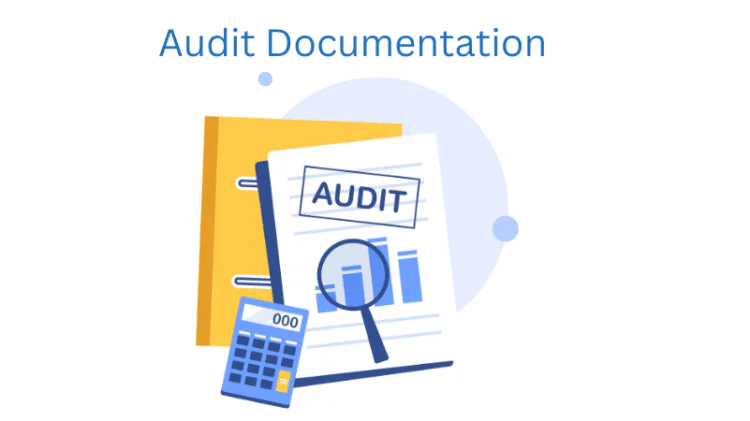
What is Audit Documentation?
Audit documentation is a systematic process of collecting, organizing, and storing evidence of an organization’s activities, policies, and procedures to ensure compliance with regulatory requirements, industry standards, and internal controls. It involves creating and maintaining detailed records of audit trails, testing results, and conclusions to support audit findings and recommendations.
Importance of Audit Documentation
Effective audit documentation is crucial for ensuring the integrity and reliability of audit processes. It helps to establish accountability, transparency, and trust among stakeholders, including auditors, management, and regulatory bodies. Well-maintained audit documentation also facilitates continuous improvement and risk management by providing valuable insights into an organization’s operations and control environment.
Key Features of Audit Documentation
Audit Documentation Software
Audit documentation software is a specialized tool designed to streamline and simplify the audit documentation process. These solutions offer a range of features, including data management, workflow automation, and reporting capabilities, to help auditors and audit teams manage and maintain accurate and complete audit documentation.
Benefits of Audit Documentation Software
- Improved efficiency and productivity
- Enhanced collaboration and communication
- Increased accuracy and consistency
- Reduced risk and compliance burdens
Best Audit Documentation Practices
Planning and Preparation
Effective audit documentation begins with careful planning and preparation. This includes defining audit objectives, identifying relevant documentation requirements, and establishing clear documentation standards and protocols.
Key Considerations
- Clearly define audit scope and objectives
- Identify relevant documentation requirements and standards
- Establish clear documentation protocols and procedures
Technical Specifications
Audit Documentation Tools and Platforms
There are various audit documentation tools and platforms available, each with its own set of features and functionalities. When selecting an audit documentation solution, consider factors such as scalability, usability, and integration with existing systems.
Key Technical Requirements
| Feature | Description |
|---|---|
| Data management | Ability to store, organize, and retrieve audit data |
| Workflow automation | Ability to automate audit workflows and tasks |
| Reporting capabilities | Ability to generate reports and analytics |
Pros and Cons
Advantages of Audit Documentation
Effective audit documentation offers numerous benefits, including improved efficiency, enhanced transparency, and increased accountability.
Disadvantages of Audit Documentation
However, audit documentation can also be time-consuming and resource-intensive, particularly if not managed effectively.
FAQ
What is the purpose of audit documentation?
Audit documentation is used to collect, organize, and store evidence of an organization’s activities, policies, and procedures to ensure compliance with regulatory requirements and internal controls.
What are the key features of audit documentation software?
Audit documentation software typically includes features such as data management, workflow automation, and reporting capabilities.