What is Bandwidth Monitoring?
Bandwidth monitoring is the process of tracking and managing the amount of data being transmitted over a network or internet connection. It involves measuring the rate at which data is being sent and received, as well as identifying potential bottlenecks and areas for optimization. Effective bandwidth monitoring is crucial for ensuring that network resources are being utilized efficiently, and that users have a positive experience when accessing online applications and services.
Why is Bandwidth Monitoring Important?
Bandwidth monitoring is essential for several reasons. Firstly, it helps network administrators to identify and troubleshoot issues related to network congestion, slow data transfer rates, and other performance problems. Secondly, it enables organizations to optimize their network resources, reduce costs, and improve overall network efficiency. Finally, bandwidth monitoring is critical for ensuring compliance with regulatory requirements, such as those related to data privacy and security.
Key Features of Bandwidth Monitoring Software
Real-time Monitoring
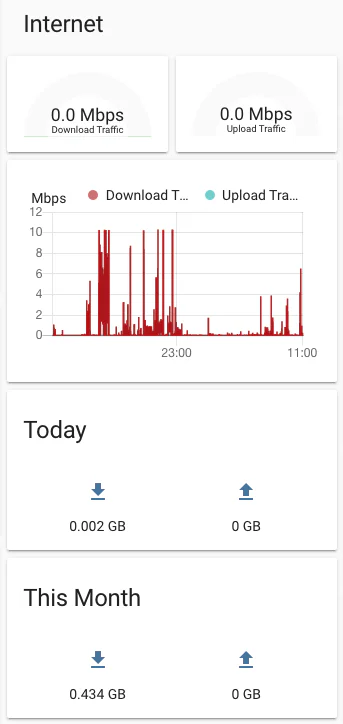
Good bandwidth monitoring software should provide real-time monitoring capabilities, allowing network administrators to track network activity as it happens. This enables them to quickly identify and respond to issues, reducing downtime and improving overall network performance.
Alerts and Notifications
Bandwidth monitoring software should also provide alerts and notifications, enabling network administrators to stay informed about network activity and potential issues. This can include alerts for high bandwidth usage, network congestion, and other performance problems.
Installation Guide
Step 1: Choose a Bandwidth Monitoring Tool
The first step in installing bandwidth monitoring software is to choose a tool that meets your organization’s needs. Consider factors such as scalability, ease of use, and compatibility with your existing network infrastructure.
Step 2: Install the Software
Once you have chosen a bandwidth monitoring tool, the next step is to install the software. This typically involves downloading and installing the software on a server or network device, and configuring it to work with your existing network infrastructure.
Technical Specifications
System Requirements
Bandwidth monitoring software typically requires a server or network device with a minimum amount of RAM, CPU, and storage. Check the system requirements for your chosen software to ensure that your hardware meets the necessary specifications.
Compatibility
Bandwidth monitoring software should be compatible with your existing network infrastructure, including routers, switches, and other network devices. Check the compatibility of your chosen software before installing it.
Pros and Cons of Bandwidth Monitoring
Pros
The pros of bandwidth monitoring include improved network performance, reduced costs, and enhanced security. By monitoring network activity in real-time, organizations can quickly identify and troubleshoot issues, reducing downtime and improving overall network efficiency.
Cons
The cons of bandwidth monitoring include the potential for increased complexity, higher costs, and compatibility issues. Bandwidth monitoring software can be complex to install and configure, and may require significant resources to manage and maintain.
Best Bandwidth Monitoring Tools
Top 5 Bandwidth Monitoring Tools
There are many bandwidth monitoring tools available, each with its own strengths and weaknesses. Some of the top bandwidth monitoring tools include:
- Nagios
- SolarWinds
- ManageEngine
- Paessler
- NetFlow
FAQ
What is the difference between bandwidth monitoring and network monitoring?
Bandwidth monitoring and network monitoring are related but distinct concepts. Bandwidth monitoring involves tracking the amount of data being transmitted over a network or internet connection, while network monitoring involves tracking the overall health and performance of the network.
How do I choose the best bandwidth monitoring tool for my organization?
Choosing the best bandwidth monitoring tool for your organization involves considering factors such as scalability, ease of use, and compatibility with your existing network infrastructure. It’s also important to read reviews and compare features to find the tool that best meets your needs.